

Being Active Is Only Part of the Health Picture: Practical Lessons for Workplace Wellness
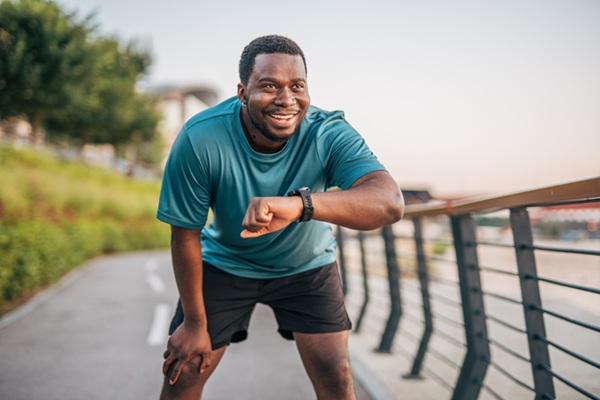

Physical activity has been part of my life for as long as I can remember. For many years, that gave me confidence in my health. Through my thirties, forties, and even fifties, I found it difficult to imagine that significant health problems could affect me. I felt strong, capable, and physically active, and I expected that to continue.
As I approached sixty, however, that reassuring picture became less complete.
Sleep became increasingly difficult. Recurring headaches, unfamiliar chest discomfort, and joint stiffness became harder to dismiss. I could still exercise and complete demanding working days, but I began to realize that physical capability was only one part of what was happening.
I also noticed something else. When I was younger, I could interrupt my exercise routine or gain some extra weight, then return to my habits and get back into shape without much difficulty. This had happened many times. But now things were different. I gained weight, especially around my abdomen, and found it surprisingly difficult to lose it. Even fasting or dieting, which had helped me in the past, no longer seemed to produce the same results.
I began to suspect that underlying physiological changes were taking place in my body, and that my body was no longer responding to my efforts as it once had. I wanted to understand these changes rather than simply accept these difficulties as an inevitable part of aging.
My first step toward understanding these changes was blood testing, which added another dimension. My blood sugar was elevated, despite my assumption that rarely eating sweets provided considerable protection. My LDL cholesterol also needed attention.
The experience changed the way I thought about health. Instead of asking only, “Am I fit?” I began asking broader questions: What is working well? What needs attention? What does current research tell us about the changes taking place in my body as I age? What information am I missing? And which concerns should I discuss with a health care professional?
For workplace wellness professionals, I believe there is an important lesson here. Encouraging physical activity remains essential, but activity alone should not become a proxy for overall health. Someone who exercises regularly and manages a demanding workday may still be struggling with sleep, recovery, metabolic concerns, or other health changes that deserve attention. The practical lesson is not merely to encourage more healthy behaviors, but also to help people listen carefully to their bodies, recognize changes that deserve attention, and ask questions that go beyond physical activity.
Physical activity can be a strength, but it doesn’t tell the whole story.
Workplace wellness programs understandably emphasize movement. Walking challenges, fitness classes, and activity tracking are visible and measurable. But they can unintentionally reinforce a simplified message: active equals healthy. I think our cultural tendency to associate a muscular, athletic appearance with good health contributes to that perception. Yet outward appearance reveals little about blood pressure, cholesterol, or glucose regulation.
Someone may meet recommended activity levels yet have poor sleep, elevated blood pressure, unfavorable cholesterol, or impaired glucose regulation. Conversely, a person managing a health condition may maintain excellent physical capacity and protective habits.
Exercise is a controlled physiological stress that can stimulate beneficial adaptations. Its effects depend partly on the amount and intensity of training, adequate recovery, and individual health. Sleep, nutrition, and cardiovascular and metabolic function are all part of this picture. Exercise can improve many of these areas, but more is not automatically better; appropriate activity needs to be considered in context.1
I once assumed my body could cope with almost anything because it had done so before. I learned that listening to the body matters—but some concerns, such as elevated blood pressure or cholesterol, have no obvious warning signals. Appropriate measurements—such as blood pressure, cholesterol, or glucose and HbA1c tests when indicated by individual risk—can reveal what fitness alone cannot.
A workplace wellness conversation might therefore ask: How well are you sleeping and recovering? Have your abilities changed? Are you keeping up with preventive health checks recommended by your health care professional? The point is not to turn wellness programs into medical services, but to encourage awareness and appropriate follow-up.
This broader view is consistent with the World Health Organization’s emphasis on functional ability and the physical and mental capacities that support well-being as we age.2
Help people connect health information rather than simply collect it.
Many adults now accumulate considerable health information. They may know their blood pressure and cholesterol, have laboratory reports with glucose and kidney measurements, track activity and sleep on a smartwatch, and record body composition on a scale. The problem is often not a lack of data but fragmentation.
A blood pressure reading cannot describe sleep quality. Fitness cannot establish blood glucose. Body weight cannot show whether muscle strength is being maintained. Each measurement answers a different question, and one reassuring result cannot substitute for the others.
Wellness professionals can help people organize information without claiming to interpret everything clinically. Useful questions include: Which areas appear favorable? Which measurements have changed over time? What remains uncertain or unmeasured? And which findings deserve a conversation with a health care professional?
Strengths and concerns can coexist.
One lesson from my experience was not to classify myself simply as healthy or unhealthy. I was active, yet my sleep was poor. Some laboratory results were reassuring; others needed attention.
After my first concerning tests, I changed my diet and daily habits, then continued monitoring. My LDL cholesterol fell from 138 to 112 mg/dL, HDL rose from 52 to 61 mg/dL, and total cholesterol fell from 199 to 181 mg/dL. Those changes encouraged me.
But my HbA1c remained unchanged. At first I was disappointed; the result didn’t match my expectations. Looking at all my results together changed my interpretation. Some indicators were moving in a favorable direction, while others suggested that I needed more information, further investigation, or perhaps a different approach. Neither finding should erase the other.
As a researcher, I know that one person’s results cannot establish which lifestyle changes caused an improvement. Measurements vary, and changing several habits at once complicates interpretation. Nevertheless, repeated testing, including HbA1c when clinically appropriate, can inform the next conversation with a health care professional.3
For workplace wellness professionals, the practical lesson is to encourage follow-up without reducing health to a performance score. An unfavorable finding need not erase existing strengths, just as one excellent result should not provide false reassurance. Rather than only asking, “Did you succeed?” we might ask, “What did you learn from the next measurement?”
Know where wellness ends and health care begins.
This boundary is especially important.
A workplace wellness program can encourage physical activity, better sleep habits, nutritious eating, stress management, self-monitoring, and preventive care.
It can help someone recognize that a measurement has changed.
It can encourage a person to prepare better questions for a health care appointment.
It should not diagnose disease, determine treatment, or imply that wellness coaching replaces clinical care.
In my own case, additional testing included a urine albumin-to-creatinine ratio, a marker used to evaluate kidney health [4], as well as ApoB and lipoprotein(a). Those measurements added useful information, but their meaning depends on clinical context.
That is where a wellness program should help a participant move from self-observation to an appropriate professional conversation.
Sometimes the most useful wellness intervention is not another habit challenge. It is helping someone recognize that a question deserves clinical attention.
A practical way to broaden wellness conversations
Workplace wellness does not need to become more medical in order to become more comprehensive.
It may simply need to ask better questions.
Programs can continue encouraging exercise while helping participants consider whether physical activity is only one strength within a larger health picture. They can encourage people to follow meaningful measurements over time, recognize uncertainty, and distinguish what they can work on themselves from what should be discussed with a health care professional.
A simple set of questions may help:
- What areas of my health appear to be going well?
- Am I relying too heavily on one reassuring measurement, such as fitness or weight?
- What has changed over the past year?
- What information am I missing or uncertain about?
- What is one realistic area I can work on now?
- Is there anything I should discuss with a health care professional?
My own experience taught me that being physically active was not misleading—it was genuinely one of my strengths.
The mistake was allowing that strength to represent the whole picture.
For individuals and the professionals who support them, a broader view can make health information more useful. It allows strengths to remain strengths, concerns to receive appropriate attention, and uncertainty to become a reason for asking better questions rather than making assumptions.
That may be one of the most practical contributions wellness programs can make: helping people see enough of the picture to decide what deserves attention next.
References
- Centers for Disease Control and Prevention. Health Benefits of Physical Activity for Adults. 2026.
- World Health Organization. Ageing.
- National Institute of Diabetes and Digestive and Kidney Diseases. The A1C Test & Diabetes.
- National Kidney Foundation. Urine Albumin-Creatinine Ratio (uACR).
About the Contributor
Categories
- Belonging (7)
- Benchmarks (14)
- Benefits (11)
- Cancer (5)
- Culture (46)
- Emotional Wellness (32)
- Healthy Workplaces (37)
- Intellectual Wellness (15)
- Legal and Compliance (10)
- Mental Health (27)
- Occupational Wellness (30)
- Physical Wellness (30)
- Social Wellness (16)
- Spiritual Wellness (5)
- Truth vs. Trend (4)
- Wellness Alliance Events (18)
- Wellness Initiatives (40)
- Workplace Wellness (38)