

Nature at Work: Simple Ways to Bring the Outdoors Into Your Workday
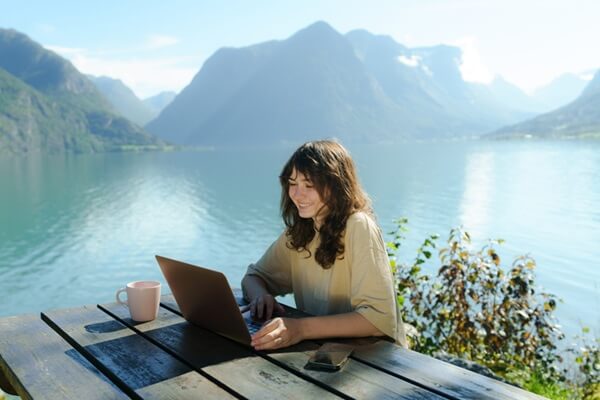

Workdays are often spent under artificial light, moving from screen to screen with little time outdoors. As daily life has become increasingly digital, many people spend less time in nature, missing some of the health benefits that come with it. According to the American Psychological Association, nine in ten adults are online every day, and 41% report using the internet almost constantly. At the same time, time spent in nature has decreased, along with many of the health benefits it can provide. Research highlighted by the Heart and Stroke Foundation of Canada shows that as little as two hours per week in nature can support better health and well-being, and that time can be spread throughout the week, making it realistic even during busy workdays.
Why Nature Matters During the Workday
According to the biophilia hypothesis, people are naturally wired to connect with the natural world. Even small amounts of exposure can make a meaningful difference. The American Psychological Association notes that brief contact with nature can support mood, focus, and overall well-being. Natural light also plays an important role in how people feel and function during the workday. Research highlighted by Blue Zones suggests that access to windows and sunlight in the workplace may support better sleep, lower stress, and improved productivity. Employees who receive more natural light often feel more energized and experience greater concentration.
Health Benefits of Time in Nature
Spending time in nature can support health in multiple ways. Green and blue spaces, such as parks, forests, rivers, and oceans, can promote relaxation, movement, and social connection while also supporting overall well-being. These benefits often show up across mental, cognitive, and physical health, which is why even small moments in nature can make a meaningful difference during the workday.
- Mental well-being: Time in nature can lift mood, create a calming effect, and help reduce stress and mental strain. It may also ease anxiety, interrupt negative thought patterns, and encourage feelings of connection, creativity, and perspective.
- Focus and thinking: Nature can also support cognitive performance. Even brief exposure may improve attention, focus, and working memory while helping restore mental energy. It can also strengthen cognitive flexibility, making it easier to adapt, think creatively, and shift focus when needed.
- Physical health: Spending time outdoors can support physical health by encouraging regular movement and exercise. Natural light exposure also helps with vitamin D production and sleep regulation, both of which play an important role in overall health. In addition, time in nature may help strengthen immune function.
Nature Can Help, Even When You Can’t Step Outside
Although spending time outdoors in natural settings often has the strongest impact on overall well-being, that is not always practical during the workday or when navigating busy schedules. Weather, location, safety, or schedule constraints can all make it harder to get outside. The good news is that other forms of nature exposure can still help. The Heart and Stroke Foundation of Canada notes that pictures of trees and plants can help lower stress, blood pressure, heart rate, and muscle tension. Nature sounds, videos, and virtual nature experiences have also been linked to improved mood and cognitive performance, which can make them useful options in offices, break rooms, and home workspaces.
Practical Ways to Build Nature Into the Workplace
Bringing nature into the workday does not need to require a long hike or a major lifestyle change. It can happen in short, practical moments throughout the week. If you want to make nature a more regular part of the workday for employees, focus on a few simple strategies that are easy to build into existing routines:
- Encourage short outdoor breaks throughout the day, such as a walk before work, a quick break between meetings, a walking meeting, or a few minutes outside before heading home.
- Make it easier for employees to spend time outdoors by supporting lunch or coffee breaks outside and creating spaces with natural light and views of greenery.
- Point employees to nearby outdoor spaces, such as a park, a courtyard, a walking trail, or another green or blue space, where they can take short, restorative breaks.
- Bring nature indoors by adding plants, maximizing natural light, and using nature-inspired images or sounds in workspaces and break areas.
In a time when work often keeps people indoors and focused on screens, building a more intentional connection with nature into the workday can be a simple but powerful way to support employee well-being.
About the Contributor
Categories
- Belonging (7)
- Benchmarks (13)
- Benefits (10)
- Cancer (5)
- Culture (41)
- Emotional Wellness (29)
- Healthy Workplaces (34)
- Intellectual Wellness (15)
- Legal and Compliance (10)
- Mental Health (23)
- Occupational Wellness (30)
- Physical Wellness (28)
- Social Wellness (16)
- Spiritual Wellness (5)
- Truth vs. Trend (4)
- Wellness Alliance Events (16)
- Wellness Initiatives (37)
- Workplace Wellness (33)